
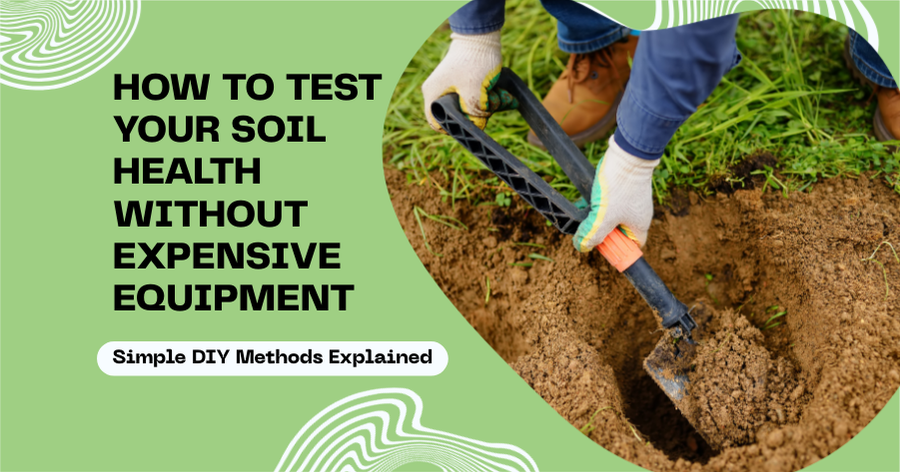
Introduction
Healthy soil is the foundation of regenerative agriculture—and of every thriving garden, orchard, and homestead. In our first post, we explored What Is Regenerative Agriculture? and how it begins with living soil. In our second, we uncovered The Soil Food Web Explained Simply—the hidden network of life beneath our feet.
But how can you know if your soil is healthy without sending samples to a lab or buying fancy equipment? The good news: your hands, eyes, nose, and a few simple tools are often all you need.
Let’s look at five easy ways to test your soil health at home—and how each connects to the bigger picture of regenerative agriculture.
1. The Look & Feel Test (Soil Texture & Structure)
-
Scoop up a handful of moist soil.
-
Rub it between your fingers. Does it feel gritty (sand), silky (silt), or sticky (clay)?
-
Healthy soils usually have a balanced, crumbly texture—like chocolate cake.
👉 Why it matters: Texture influences how water and nutrients move. Crumbly soil indicates good aggregation, often thanks to fungi and organic matter.
2. The Jar Test (Soil Composition)
-
Place soil in a clear jar with water and a drop of dish soap. Shake, then let it settle for 24 hours.
-
Layers will form: sand at the bottom, silt in the middle, clay on top.
👉 Why it matters: This gives you a quick snapshot of soil makeup, helping you understand drainage, fertility, and how to build balance over time.
3. The Infiltration Test (Water Movement)
-
Sink a metal can (with both ends removed) a few inches into the soil.
-
Pour in 1 inch of water.
-
Time how long it takes to soak in.
👉 Why it matters: Healthy soils, rich in organic matter and microbial life, absorb water quickly—reducing erosion and runoff.
4. The Earthworm Count (Biological Activity)
-
Dig a 1-foot by 1-foot hole, about 6 inches deep.
-
Count how many worms you see.
-
More than 5 worms = biologically active soil.
👉 Why it matters: Earthworms are ecosystem engineers, creating pores, recycling nutrients, and signaling a thriving soil food web.
5. The Smell Test (Biological Health)
-
Smell a handful of soil.
-
Healthy soil smells earthy and sweet. Sour or rotten smells may indicate compaction, poor drainage, or anaerobic conditions.
👉 Why it matters: That “earthy” smell comes from actinobacteria and other microbes—living proof of an active soil food web.
6. Helpful tools for Testing Your Soil
As an Amazon Associate, I earn from qualifying purchases.
Affiliate picks:
- Soil thermometer: A soil thermometer makes testing easy—you’ll know if soil temps are right for planting and how active your microbes are. Warm, living soils mean your food web is thriving.
-
Compost bin: Healthy soil starts with organic matter. A compost bin gives you steady humus to use in your jar tests, smell tests, and infiltration tests—plus it feeds microbes for better test results season after season.
-
Broad fork: The broadfork is a no-till tool that loosens soil before testing infiltration or worm counts. It improves structure without harming fungal networks, helping your soil tests (and your plants) look better over time.
-
Mycorrhizal inoculant: Adding mycorrhizal fungi boosts soil biology. When you run a worm count or smell test later, you’ll notice richer, more “alive” soil thanks to the invisible networks fungi build beneath your feet.
Final Thoughts
You don’t need expensive tools or lab reports to understand your soil. With your senses and a few simple tests, you can start reading the story of your soil—and writing the next chapter with regenerative practices.
Healthy soil grows healthy food, thriving ecosystems, and resilient communities. And it all starts in your backyard.
Next Steps for Healthy Soil
Testing your soil is only the beginning. Once you know your soil’s condition, you can start regenerating it with compost, mulching, cover crops, and—yes—fruit trees.
And that brings me to your next step:
👉 Download the free Fruit Tree Pruning & Shaping Guide. Not only will you learn to grow healthier, more productive trees—you’ll also discover how pruning debris becomes mulch that feeds the soil food web.
Tying It Back: The Bigger Picture
Each of these simple tests connects to the broader themes we’ve been exploring on EcologicalFoodForest.com:
-
Regenerative agriculture builds soils that score high on every test.
-
The soil food web is the living engine behind soil smell, aggregation, worm counts, and infiltration.
-
In my book Soil Science for Regenerative Agriculture, I walk through the science behind these indicators, explaining how biology, chemistry, and structure work together to build fertile, resilient soils.
FAQ
Q: Can I really test soil health without sending samples to a lab?
Yes! While labs provide detailed reports, many indicators of soil health—like texture, smell, worms, and infiltration—are easy to observe at home.
Q: How often should I test my soil?
Once or twice a year (spring and fall) is plenty for home gardeners and homesteaders.
Q: How do I improve poor soil test results?
Compost, mulching, and cover cropping are three of the fastest ways to improve soil health.

0 Comments